Address
304 North Cardinal
St. Dorchester Center, MA 02124
Work Hours
Monday to Friday: 7AM - 7PM
Weekend: 10AM - 5PM
Address
304 North Cardinal
St. Dorchester Center, MA 02124
Work Hours
Monday to Friday: 7AM - 7PM
Weekend: 10AM - 5PM

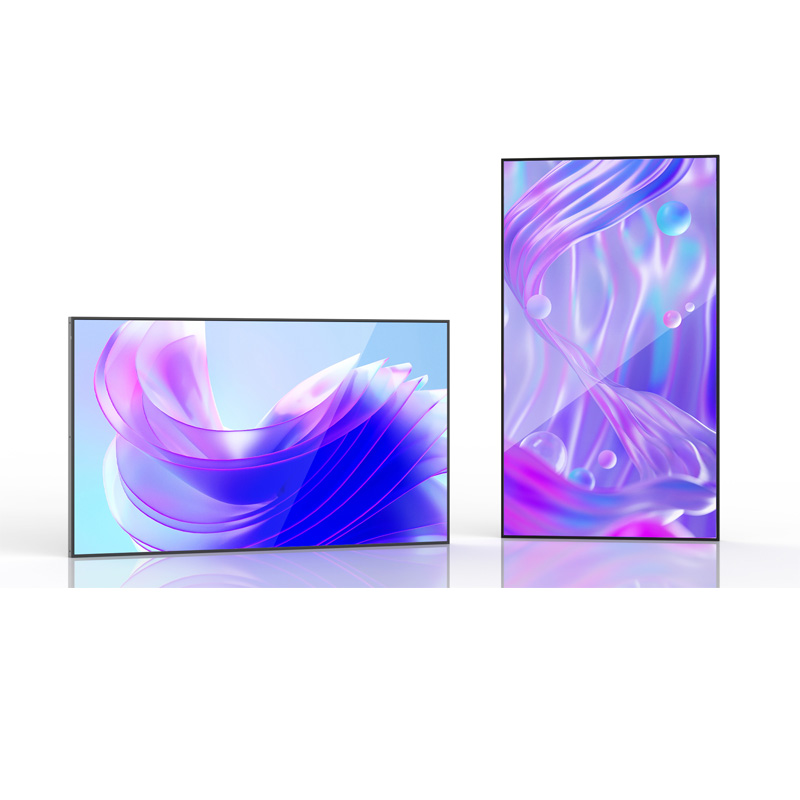
Digital display technology is not only booming in the advertising industry, but it is permeating almost every sector: education, healthcare, transportation, manufacturing, exhibitions, government, and more. They are no longer merely “decorations,” but crucial forces driving improvements in business efficiency, user experience, and information dissemination.
01 Education Industry: From Traditional Teaching to Smart Classrooms
Modern education increasingly emphasizes interaction and experience. The role of display devices in the classroom has undergone a qualitative change:
Large-size, high-definition displays enhance the visualization of teaching.
Touch interaction strengthens participation.
Intelligent systems facilitate teachers’ access to materials.
Remote teaching enables cross-regional learning.
The classroom of the future will become a “digital learning space,” and display devices will be a key entry point.
02 Healthcare Industry: More Efficient Communication, More Standardized Processes
Display technology is playing an increasingly important role in hospitals:
Outpatient queuing systems improve patient flow efficiency.
Medical information screens provide real-time updates of departmental information.
Surgical demonstration screens support high-definition reproduction.
Infection control information screens guide patients through standardized procedures.
Reliability and stability are paramount in medical settings, placing higher demands on commercial display companies.
03 Transportation Sector: The Core Window of Information Technology
Whether in airports, subways, high-speed rail stations, or bus hubs, the role of display devices has evolved from “informing” to “managing pedestrian flow”:
Real-time flight/train information
Large-area wayfinding systems
Security checkpoint guidance
Safety promotion, emergency alerts
High brightness, protective design, and stable operation determine whether the equipment can cope with complex environments.
04 Enterprise Offices: Efficiency Determined by Display Experience
Meeting rooms are undergoing a comprehensive upgrade:
The widespread adoption of remote video conferencing
Multi-device wireless projection becomes a basic requirement
Ultra-HD large screens enhance presentation effects
Whiteboard-style collaboration enhances communication
Modern enterprises increasingly rely on intelligent meeting equipment to improve communication and decision-making efficiency.
05 Culture, Tourism, and Exhibition Halls: Key Carriers of Immersive Experiences
The combination of display devices, lighting, sound effects, and sensors is reshaping exhibition spaces:
Immersive light and shadow exhibitions
Digital cultural relic restoration
Science popularization and interactive displays
Urban digital cultural halls
Screens have become the outlet for realizing creative content.
06 The Future of the Commercial Display Industry: Intelligentization, Lightweighting, and Integration
Future display devices will tend to be:
Thinner, lighter, and more flexible
More energy-efficient and brighter
AI-driven content adaptation
CMS intelligent operation and maintenance
Seamless splicing and high-consistency display
Deep integration with IoT terminals
These will become the foundational modules of “spatial digitization.”
Conclusion
Display devices are evolving from traditional hardware into the core infrastructure of intelligent spaces. Whether it’s upgrading the consumer experience or improving efficiency for institutions, display technology is driving the acceleration of industry digitization.
In short, wherever there are screens, there are future spatial scenarios.
