Address
304 North Cardinal
St. Dorchester Center, MA 02124
Work Hours
Monday to Friday: 7AM - 7PM
Weekend: 10AM - 5PM
Address
304 North Cardinal
St. Dorchester Center, MA 02124
Work Hours
Monday to Friday: 7AM - 7PM
Weekend: 10AM - 5PM

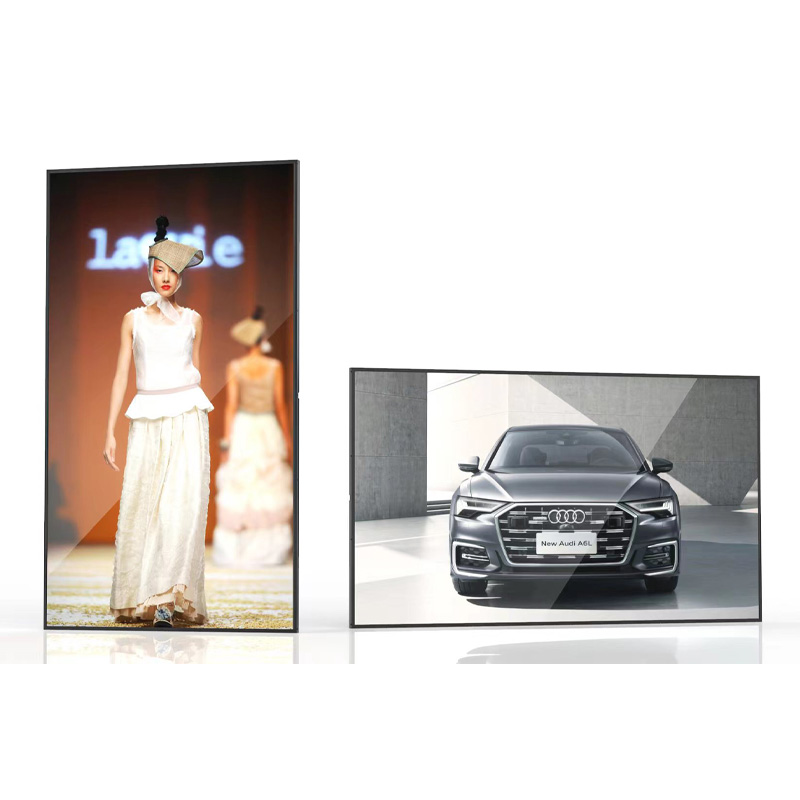
In the past, brand promotion relied heavily on print media advertising, outdoor light boxes, and large-scale campaigns. Today, however, digital display devices have become one of the mainstream methods for offline brand communication. Whether in airports, high-speed rail stations, shopping malls, hotels, or brand stores and showrooms, various commercial displays with consistent style, excellent image quality, and flexible content can be seen everywhere.
This is not accidental, but an inevitable result of a profound shift in the logic of brand communication.
01 Brand Communication Shifts from “Large-Scale Exposure” to “High-Quality Reach”
Traditional advertising emphasizes “how many people are reached,” but in an era of information overload, brands care more about:
Is the content accurate?
Can it attract attention and keep users engaged?
Can it improve conversion rates?
High-definition, dynamic, and high-brightness commercial displays can instantly capture attention, making brand content more impactful.
A high-quality display screen is sometimes more effective than tens of thousands of print brochures.
02 In the Era of Experience, Visual Quality is Brand Quality
Consumers increasingly seek immersive experiences, making display devices an integral part of the brand space.
In a retail environment:
A screen with accurate color
A dynamic video showcasing product quality
A set of themed content that automatically changes with the season
Can all subtly enhance brand image and strengthen consumer trust and purchase intention.
In other words: “High-quality visuals make the brand appear more sophisticated.”
03 Commercial Display Equipment Enables Brands to Establish a Unified Image Management System
For chain brands, “visual consistency” is crucial, but it was difficult to achieve manually in the past:
Long poster replacement cycles
Inconsistent styles between stores
High costs of promotional materials
However, through a unified display device and content management system, brands can achieve:
Unified content push from headquarters
Automatic synchronization of holiday posters and promotional information
Real-time updates of new product videos
Differentiated content delivery by region
This makes the brand image more professional and significantly reduces operating costs.
04 Interactive and Data-Driven: New Commercial Displays Bring New Perspectives
Modern display devices are no longer just for “playing” content; they possess a wealth of functions:
Touch interaction
Facial recognition for counting foot traffic (within legal limits)
Cloud-based data analysis
Automatic dynamic content adjustment
Integration with membership and e-commerce systems
Commercial displays are transforming from “advertising tools” to “digital business tools.”
05 Why do brands choose long-term commercial display suppliers?
Because they need:
Stable and reliable quality
A stylish design
Efficient and responsive after-sales service
Products with continuously upgraded technology
A system that can be sustainably expanded as business grows
Excellent commercial display suppliers become “long-term partners” for brands, not just one-off suppliers.
Conclusion
As display devices become one of the souls of a brand’s offline spaces, the importance of the commercial display industry is amplified once again. In the future, commercial displays will continue to deeply integrate with AI, IoT, and content operations, becoming a core carrier of brand digitalization.
High-quality displays not only showcase products but also demonstrate a brand’s attitude.
